Saving
Cash ISA allowances are changing.
By Charlotte Lorimer
Good with money
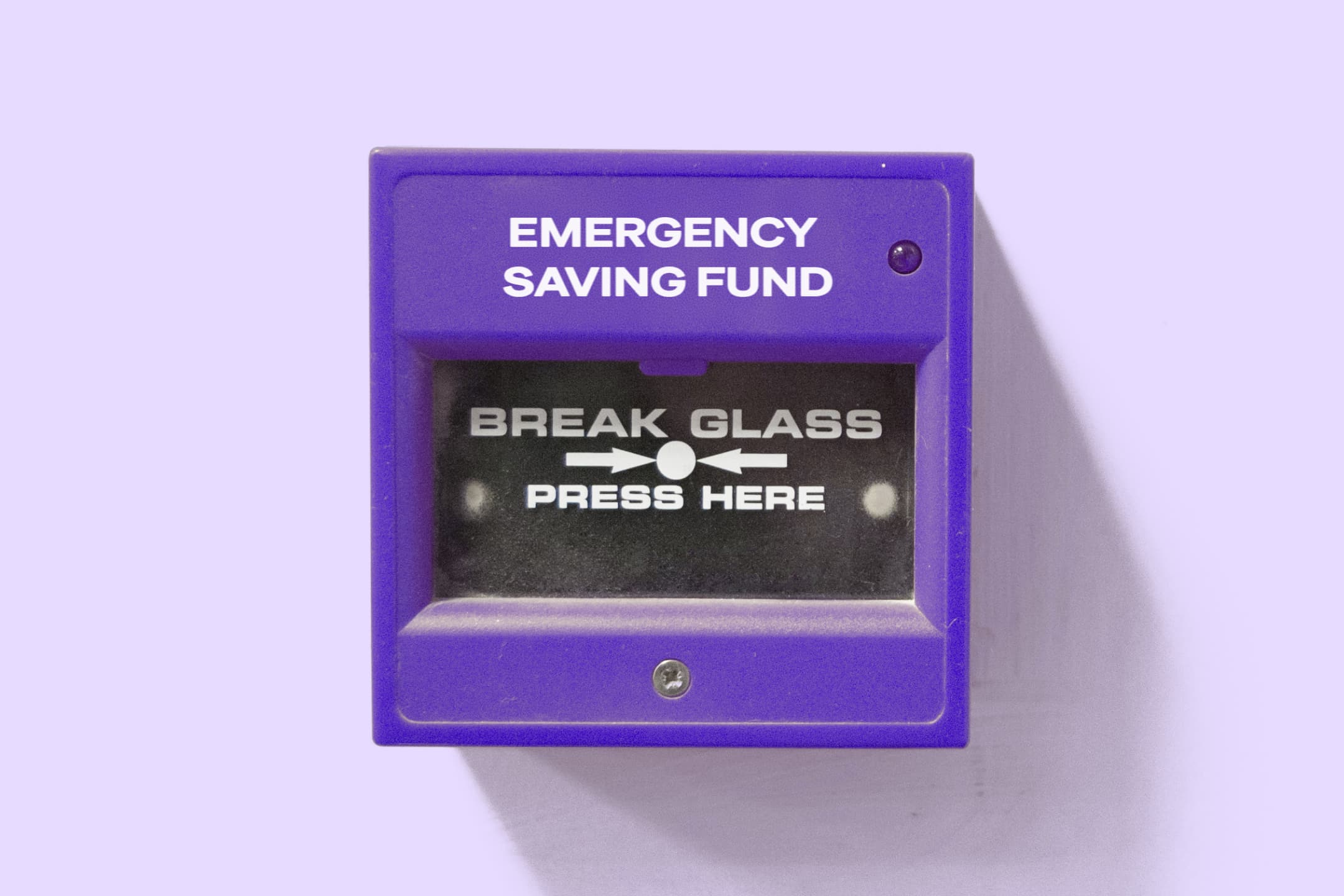
An emergency fund helps you navigate life’s unexpected moments. A broken boiler. An eye-watering vet’s bill. A redundancy. From minor life events to major ones – it helps to know you’ve got financial backup in case you need it.
It’s best to save three months’ worth of non-negotiable expenses. These may include your mortgage or rent payments, household bills, and grocery budget.
Your emergency fund should cover you comfortably for a range of unexpected changes. For example, if you lose your job, having three months’ worth of outgoings covered would give you time to look for something new.
Other difficult or unexpected changes that your emergency fund could help with include:
House and car repairs
Medical and vets fees
Emergency travel
Leaving a difficult relationship.
No need for a fancy emergency fund calculator. Just add up your non-negotiable monthly expenses, and multiple the total by three. For example:
Your essential monthly outgoings come to £1,000
£1,000 x 3 = £3,000
Ideal emergency fund = £3,000
Set your emergency money aside in a separate savings account – and make sure it’s one that’s easy to access so you can withdraw money when you need to.
It might also help to keep your emergency fund separate from other savings for things like holidays.
Tip: The Starling Easy Saver account earns you interest on your savings and lets you withdraw funds at any time.
You can definitely keep adding to your emergency fund if you want to – as long as it feels sustainable.
The key is to not overstretch yourself beyond what’s realistic. Remember, any amount you can set aside for emergencies is valuable.
Each household is different and some might need more emergency savings than others to feel financially safe. Although a three-month pot provides a good safety net for most, the ‘3-6-9 rule’ could help you decide if it’s worth gradually saving up more:
3 months of life expenses – could be enough for an individual with steady income.
6 months of life expenses – could feel more comfortable for a working couple/family.
9 months of life expenses – may feel safer for someone with an irregular income, like a freelancer.
Start small – it’s better to add small, consistent amounts, rather than larger amounts that aren’t sustainable.
Identify areas you can save – time to scour your accounts for unneeded subscriptions.
Set up a direct debit so the money goes into your savings account each month.
Stay flexible – it’s better to miss a month than give up altogether.
Rebuild – when you dip into your fund, prioritise building it back up.
Starling makes it easy to manage your money and budget throughout the month. Features like Spending Insights and Round Ups are designed to make saving seamless – helping you finally build up an emergency fund pot that gives you true peace of mind.
*The article above includes general information and should not be taken as financial advice. If you have questions about your specific circumstances, you should speak to an independent financial advisor.
Fall back on your savings when you need them, earn interest when you don’t.
Learn more about our Easy Saver