Saving
Compound interest: your new favourite formula
By Charlotte Lorimer
Saving
In case you missed the headlines: 2026/27 is the last tax year when the annual tax-free Cash ISA allowance remains at £20,000 for everyone. From 6 April 2027, this allowance will be cut to £12,000 for those under 65.
How can you make the most of your tax-free allowance ahead of the change? And what does it all mean?
An ISA is a type of account that offers a tax-efficient way to save or invest. Why? Because the interest you earn from an ISA isn’t taxed.
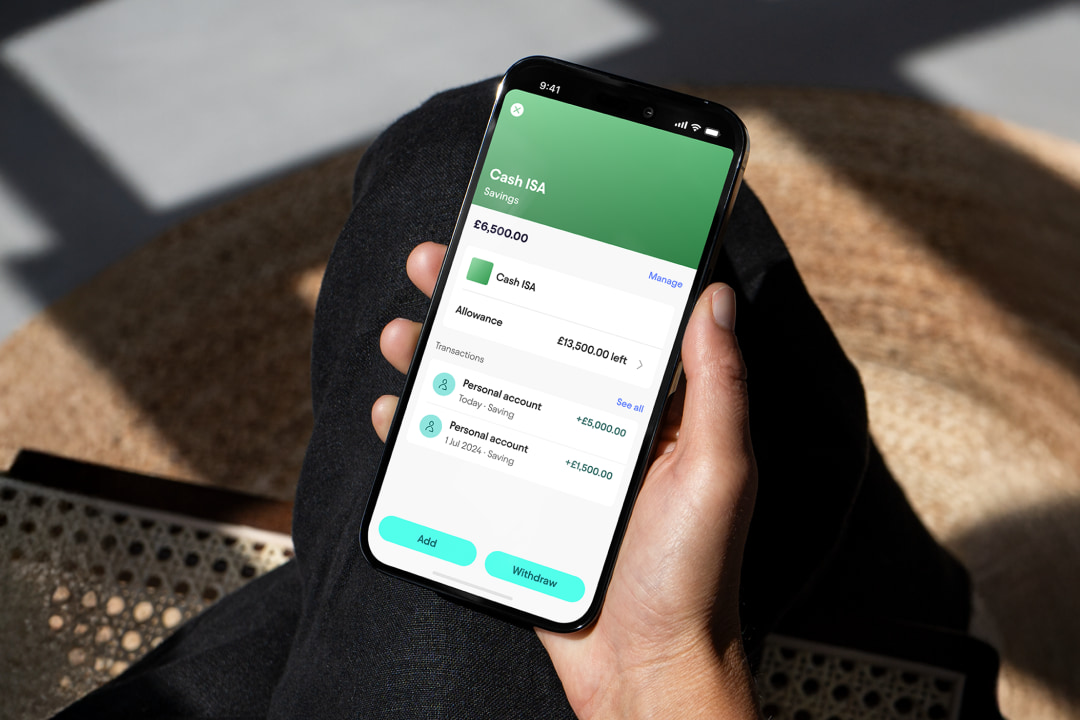
The amount of interest you can earn depends on the ISA you choose – and whether it has a set interest rate. Starling’s Cash ISA* has an interest rate of 2.50% AER (2.46% tax-free) variable. Interest is calculated daily and paid monthly – so your interest will compound throughout the year.
Most Stocks and Shares ISAs don’t have a set interest rate – but any returns you make will be tax-free. These returns depend on investment performance and you may get back less than what you put in (capital is at risk).
Starling doesn’t offer Stocks and Shares ISAs, but many other providers do.
In the UK, everyone receives a tax-free ISA allowance at the start of the financial year on 6 April. For 2025/26 and 2026/27, this tax-free allowance is set at £20,000.
At the moment, you can use this allowance for one ISA, or split it between different types of ISA. You could add £15,000 to a Cash ISA and £5,000 to a Stocks and Shares ISA.
If you’re 65 or older, there will be no change – you’ll still be able to contribute up to £20,000 to a Cash ISA each financial year.
If you’re 64 or under, your annual Cash ISA limit for 2027/28 onwards will change to £12,000.
| Tax year | Cash ISA allowance - under 65s | Cash ISA allowance - over 65s |
|---|---|---|
| 2026/27 | £20,000 | £20,000 |
| 2027/28 | £12,000 | £20,000 |
Remember: these ISA changes only apply from 6 April 2027 – for new Cash ISA contributions. So if you’ve already got £20,000 stashed away, you don’t need to redistribute your money or worry about the new lower threshold.
It’s also worth noting that these changes only apply to Cash ISAs – the annual tax-free allowance for Stocks and Shares ISAs is set to remain at £20,000, regardless of age.
As for splitting your allowance across more than one ISA? If you’re over 65, you can carry on as before. But if you’re under 65, you may need to rethink your split: £12,000 in a Cash ISA, £8,000 in a Stocks and Shares ISA. Or put everything in a Stocks and Shares ISA and max out your allowance that way.
The overall ISA contribution limit will remain at £20,000 for everyone.
There are lots of ways to pay into an ISA. Once it’s open, you can transfer a lump sum or make weekly or monthly top-ups.
You can also transfer money from one Cash ISA to another. If you want to transfer into a Starling Cash ISA, you’ll need to make sure that your provider is part of the Pay.UK transfer scheme.
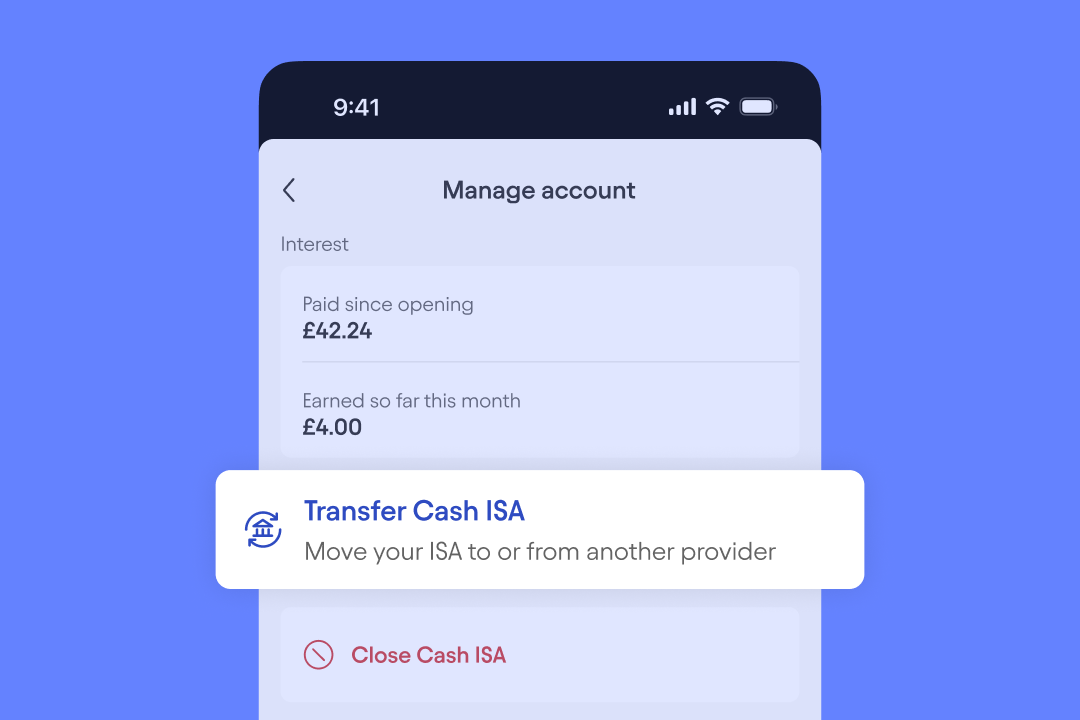
From 2027/28 onwards, you’ll no longer be able to transfer money from Stocks and Shares ISAs into Cash ISAs. But there are no upcoming changes on transfers made from one Cash ISA to another.
| Tax year | Possible transfers |
|---|---|
| 2026/27 | Cash ISA > Stocks and Shares ISA Stocks and Shares ISA > Cash ISA Cash ISA > Cash ISA |
| 2027/28 | Cash ISA > Stocks and Shares ISA Cash ISA > Cash ISA |
Before opening an ISA, you may want to clear expensive debt. Depending on the ISA you open, you may also want to build up an emergency fund – a place to keep savings you can instantly access.
Some ISAs are flexible, like Starling’s, meaning that if you take money out and then put money back in again within the same financial year, your tax-free allowance won’t be affected. In other words: you can use a Starling Cash ISA in the same way you’d use an easy-access savings account – without paying tax on interest earned. Not all Cash ISAs are like this – some are non-flexible, so read the smallprint.
Opening your first ISA could feel like a big money move – but there are lots of resources out there to help you choose which type to go for. If you’re looking at Flexible Cash ISAs, you may want to have a read through our Cash ISA FAQs before deciding what’s right for you.
*18+, UK residents only. Starling personal current account required. Subject to eligibility.
‘AER’ stands for Annual Equivalent Rate and illustrates what the interest rate would be if interest was paid and compounded once each year;
‘Tax-free’ is the tax-free rate of interest payable where interest is exempt from income tax.
When investing, please remember that capital is at risk. The value of your investments can go down as well as up, and you could get back less than invested.
**The article above includes general information and should not be taken as financial advice. If you have questions about your specific circumstances, please speak to an independent financial advisor. Tax treatment depends on your individual circumstances and may be subject to change in the future. The rules for those turning 65 during the 2027/28 tax year are expected to be confirmed later this year, following an industry consultation.
There’s no minimum deposit for Starling’s flexible Cash ISA.
See all your savings in one place.
Learn more about our Cash ISA