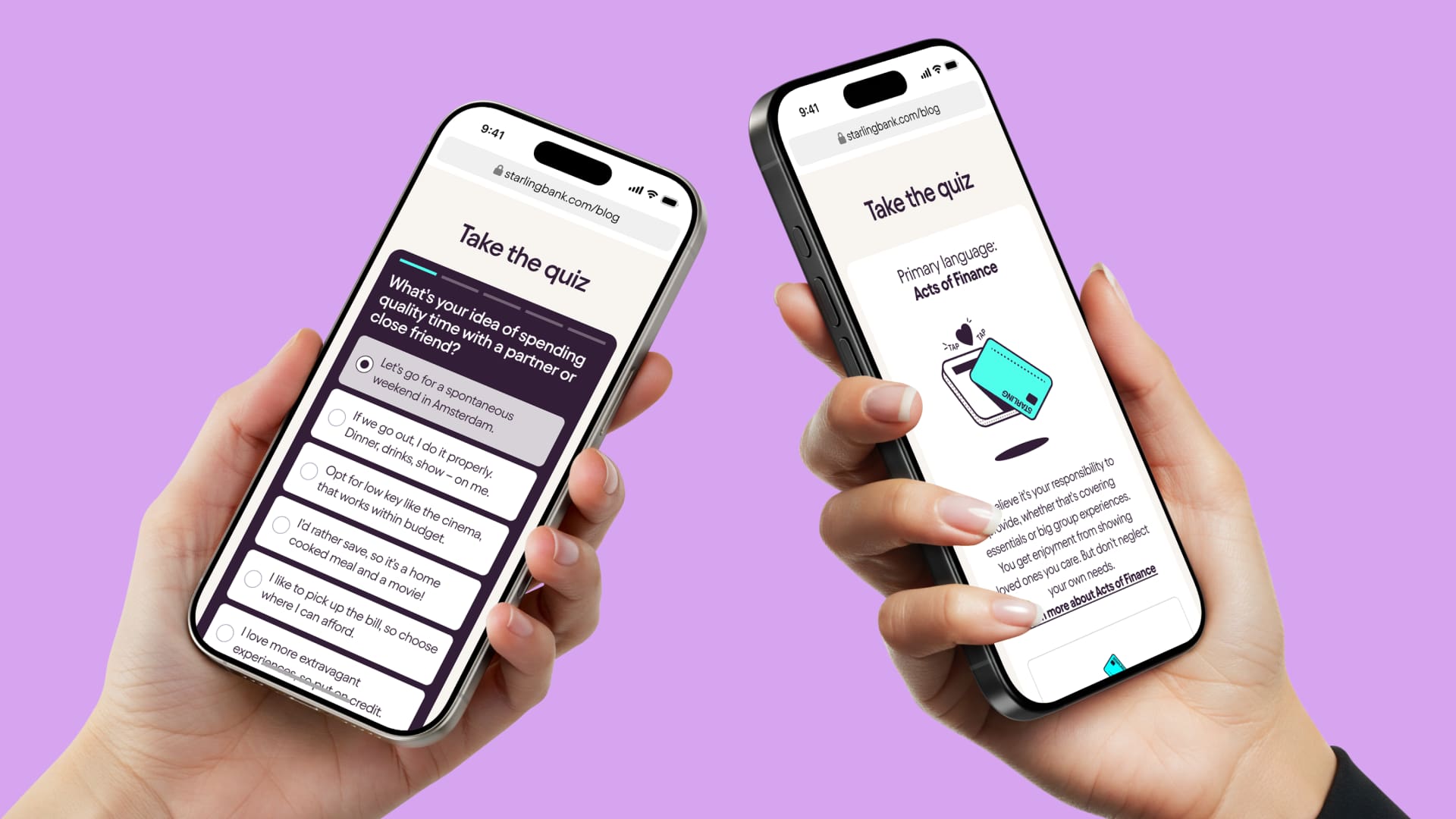
Money languages
“He likes to save, I like to spend”
By Emily Ash Powell
What’s your money language?
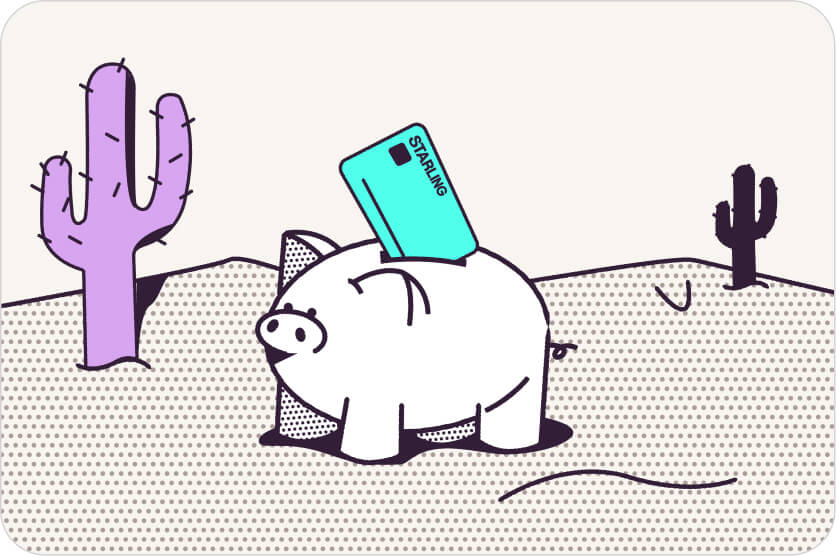
You get a sense of security from saving money and having cash in the bank. This means you don’t always enjoy spending money as it can make you feel uneasy and insecure.
Necessities, fine. But you often struggle with treating yourself and justifying unplanned, spontaneous costs. While you’re a prudent saver, sometimes this gets in the way of the life you want to lead. Don’t forget generosity and a small degree of frivolous spending (“go on, let’s have another one!”) can be fun.
As for luxury items like travel, your “but the bus to the airport works perfectly fine” attitude may not always click with a partner or travel companion who places comfort and ease higher up on their agenda. Remember to check in with others on their preferences – and don’t assume that everyone is as budget-conscious as you.
Having a Scarcity Mindset can be a heavy responsibility. You’re an essential cog of any group, relied upon to keep people on budget - but it means you often have to be ‘the sensible one’ who reminds them when spending is getting out of hand.
To help others feel security in saving, like you do, give them the bigger picture of what you’re saving for, whether it’s for a house or an emergency fund, and why it’s important for you to feel in control of those savings.
Try to give people perspective of what money enables you to do in the short term versus the long term. For example, if you go on this luxury holiday, it will take you six months longer to save for a house deposit. Remember: not everyone has to make decisions between short term and long term spending plans so it’s good to give others a reality check.
Help others see that more money spent doesn’t necessarily lead to a better result, whether that’s buying Christmas presents, going on holiday or planning date night. It’s about your overall goal, which can be achieved through all sorts of budgets.
If you know a ‘Scarcity Mindset’, remember that their motivations for saving and budgeting are rarely driven by greed. They usually feel a sense of security in having savings, and can even be reluctant to spend money on themselves.
A good way to broach financial conversations with this money language is to show respect and understanding for their saving goals, but to try to reach a happy compromise. Yes, maybe your partner is saving for their dream wedding dress, but it’s important to spare some funds every now and again to have fun as a couple in the lead up to the wedding too.
If you think they’ve got ‘tunnel vision’ about their savings goals, try talking to them about the life that they want to lead day to day, and whether they might seek a little joy in being spontaneous every once in a while. You can’t take it with you, after all.
Ultimately, money shouldn’t come between a relationship, so you may need to be flexible with one another. Sometimes you’ll need to agree how you spend money together, sometimes you’ll go over what they’re happy with, and sometimes you’ll wish you spent more. Good relationships are built on compromise.
Unsurprisingly, Scarcity Mindsets tend to attract one another and tend to find managing money together less stressful than others.
If you don’t already, why not consider using Starling’s Spaces for budgeting? They allow you to allocate money towards your wants and needs, and help you understand how much you have left for your future plans.
The article above includes general information and should not be taken as financial advice. If you have questions about your specific circumstances, please speak to an independent financial advisor.
Money languages
By Emily Ash Powell
What’s your money language?
By Ellie Austin Williams & Hayley Quinn

What’s your money language?
By Ellie Austin Williams & Hayley Quinn

What’s your money language?
By Ellie Austin Williams & Hayley Quinn