Money languages
“He likes to save, I like to spend”
By Emily Ash Powell
What’s your money language?
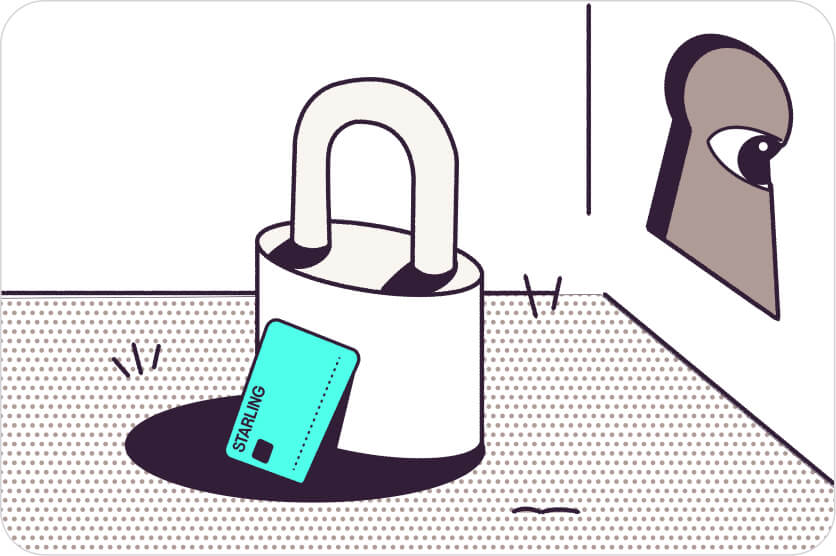
For you, a common theme is that you hide your financial situation from others, whether that’s secret savings, spending habits or your salary. Don’t worry, often this is driven by a desire for independence and/or a fear that you could be taken advantage of. However, bear in mind that hiding information from others could come across as distrustful.
It’s not always a bad thing, – sometimes you “revenge save” and surprise a friend or loved one with a gift. But if you have financial secrets that are weighing you down, remember that a problem shared can be a problem halved.
It’s understandable to want to keep your finances private. In fact, secret savings are often encouraged when in relationships to enable you to have independence when you need it.
If you want to protect your financial privacy from a loved one, it’s important to stress that this doesn’t come from a place of distrust and you’re not necessarily hiding anything bad. You work hard for your money and want to keep a certain element of independence at this point in time.
If you have other financial secrets, such as hidden loans or credit cards, know that you’re not alone; four in ten people in relationships in the UK say they’ve kept a financial secret from their partner.
But there will likely come a time when you do need to share these secrets with a loved one, especially if you get a joint account together, buy property together or get married. You owe them that transparency if their credit rating will be negatively affected when you become joined at the chip.
Fessing up to financial secrets is never easy. Pick the right moment and make sure they have the time and headspace to digest it properly. Try coming to them with solutions to your problems, such as a repayment plan for a loan. And remember that your bank is there to support you if you need.
The most important thing is to respect their right to privacy; it doesn’t necessarily mean they don’t trust you or have a burning financial secret.
Accept that they might not show you the entire ins and outs of their bank account. That’s ok - set expectations of what you do need to know should you be looking to move in, buy a house, or get a joint account together, such as a weekly budget or realistic saving goals.
Approach money conversations with caution - instead of ambushing them with ‘I need to know how much you’ve got saved for a house deposit’, try scheduling some time to chat budgets and financial plans at a time that suits them.
If you do suspect they’ve got bigger financial secrets, such as revolving debt, look out for the warning signs. Maybe their spending habits have changed recently, you can see they’re using a different bank or credit card, or you’re pulling a little more weight financially than you’re used to. Broaching these conversations is never easy, but there are numerous charities that can help - as well as your bank.
Protecting Privacy tends to gel best with a partner who also speaks this language, but they also gravitate towards Extravagant Affirmation.
Why not consider using Spaces to set money aside for yourself, but also set money aside for your shared goals?
The article above includes general information and should not be taken as financial advice. If you have questions about your specific circumstances, please speak to an independent financial advisor.
Money languages
By Emily Ash Powell

What’s your money language?
By Ellie Austin Williams & Hayley Quinn

What’s your money language?
By Ellie Austin Williams & Hayley Quinn

What’s your money language?
By Ellie Austin Williams & Hayley Quinn