Money languages
“He likes to save, I like to spend”
By Emily Ash Powell
What’s your money language?

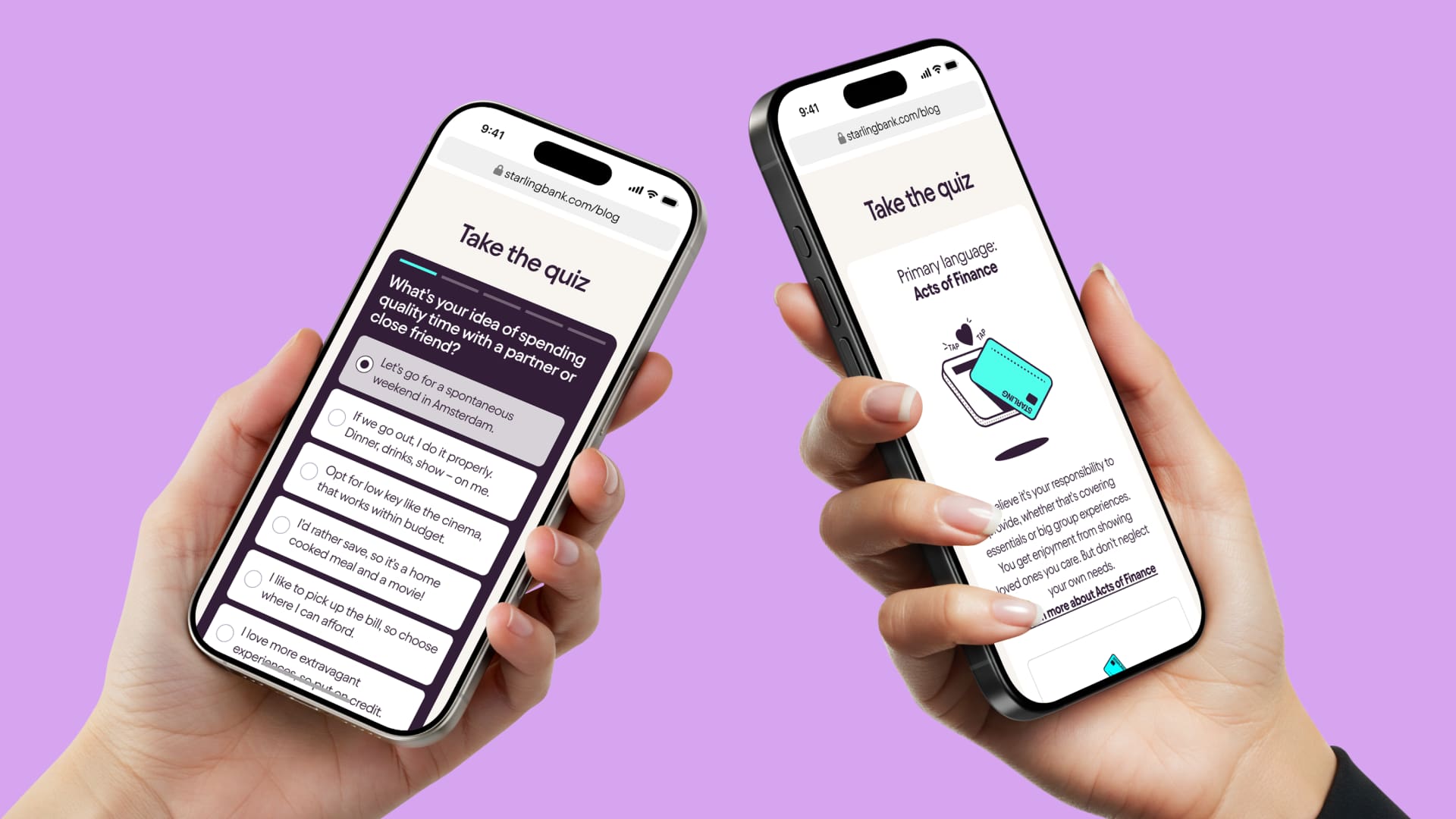
You show affection and love through giving and spending money on others, as you believe it’s your responsibility to provide. You try to make sure your loved ones have what they need financially, whether that’s to cover essentials or sometimes even bigger experiences. You may also take a lot of time and effort into selecting gifts for others thoughtfully, as you derive a lot of enjoyment from spending on others and showing them that you really care.
You may find it difficult to relate to individuals who are financially fiercely independent and sometimes forget to think about your own needs.
Taking care of others is your priority, but some money languages, such as Financial Avoidance or Lifestyle Enrichment, can be harder to support than others. Your financial provisioning should be based on what you want to give them, rather than on what they need from you.
There are lots of reasons why people are financially dependent on one another, but if you feel it’s gone too far or could be avoided, it could lead to resentment. Maybe they’ve lowered contributions to your monthly budget, for example, or will happily let you cover day to day expenses.
Remember - there are more ways people can contribute to relationships than financially, such as through managing the mental load at home or taking on the brunt of childcare.
But if it’s important to you that they gain more financial independence, it’s time to make a joint budget together and scenario plan your savings goals based on different incomes and expenditures. Hopefully they will empathise; seeing the numbers laid out can hit home the knock on impact that your acts of finance have in other areas of your life.
If you have an Acts of Finance in your life, chances are you’re grateful to them; they try hard to support you and think about your needs.
But you may sometimes feel like, because they support you so much, a lot of your relationship is on their terms - whether they make you feel that way, or you do naturally. If they’re covering the entirety or majority of your monthly household expenses for example, you might not feel like you have much influence over how to spend your rainy day fund or your weekend budget.
If you want to gain more financial independence, Acts of Finance will likely respond positively - this language is caring by nature. Whether you want to contribute more to your joint budget, or want to have a little more say on how joint money is spent, a good thing to suggest is creating a budget together. It often helps to run through numbers together, including your income, expenses and money you want to set aside for current and future plans. Running through a budget, whether on paper or a screen, lets you really interrogate the numbers and serves as a starting point for a wider conversation on why independence is important to you.
Acts of Finance often fare well with those who speak the same language, as well as Extravagant Affirmation.
Why not consider using Settle Up - a quick link to request money - with a loved one every once in a while, so the bill’s not always on you?
The article above includes general information and should not be taken as financial advice. If you have questions about your specific circumstances, please speak to an independent financial advisor.
Money languages
By Emily Ash Powell

What’s your money language?
By Ellie Austin Williams & Hayley Quinn

What’s your money language?
By Ellie Austin Williams & Hayley Quinn

What’s your money language?
By Ellie Austin Williams & Hayley Quinn